
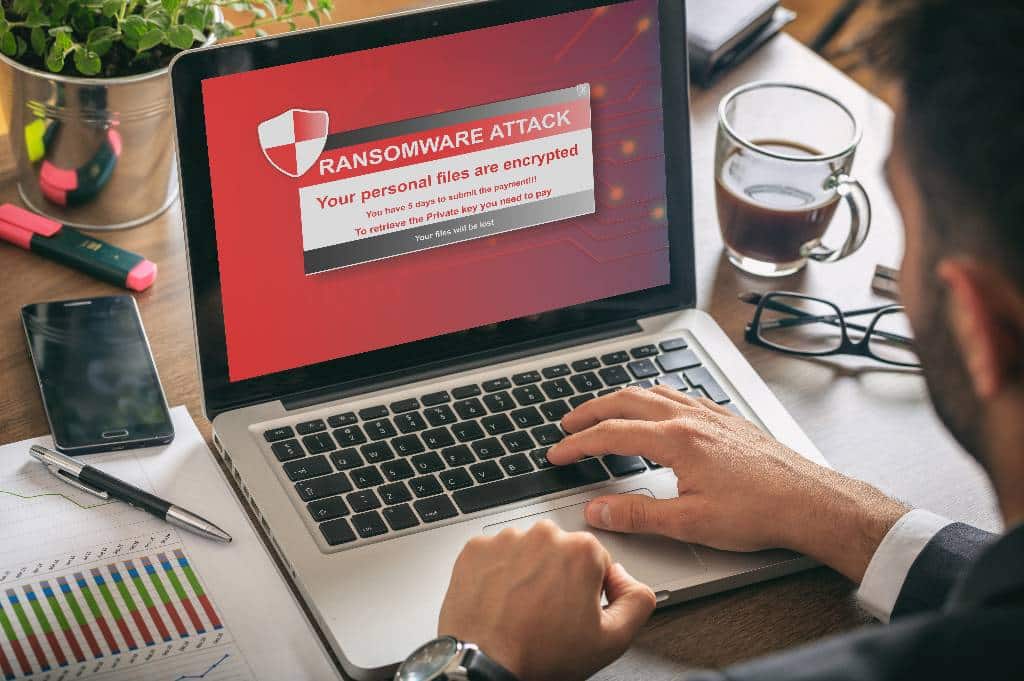
Cyber attacks are something most business owners hear about but hope they never have to deal with. The headlines usually focus on the big stuff – data breaches, ransomware, big companies losing millions.
But what does an attack actually look like when it happens to a typical business?
It’s not just about firewalls and flashing warnings. It’s about disruption, decision-making under pressure, and how quickly (or slowly) a business can bounce back.
In this blog, we’ll walk through what actually happens during a cyber attack – from the moment the threat gets in, to the impact it has, and what makes the difference in how quickly you recover.
It usually starts with something small
Most cyber attacks don’t begin with a dramatic breach. They usually start quietly – and most often, with a human.
The most common entry point? A phishing email.
A staff member receives an email that looks legitimate – maybe a fake invoice, login request, or something pretending to be from Microsoft or a supplier. One wrong click, and malware is downloaded or login details are handed over.
From that single action, attackers can gain access to your systems – and from there, things escalate.
What happens next?
Once inside, attackers typically take one of three routes – and sometimes a combination:
🔒 1. Ransomware is deployed
Files and systems are encrypted, and a ransom note appears demanding payment (often in cryptocurrency) to unlock them. You’re locked out of your own data.
🕵️ 2. Data is exfiltrated
Sensitive information – like customer details, payment records or internal documents – is quietly copied and stolen. You might not even know it’s happened until weeks later.
⚙️ 3. Systems are disrupted
Emails stop working. Shared drives vanish. Staff can’t access files. Phones go offline. In short – normal business grinds to a halt.
This is the moment most businesses realise something’s wrong. And by then, the damage is usually already done.
The immediate impact
Once an attack is underway, panic often sets in – especially if there’s no clear plan in place. Some common reactions:
- Disconnecting systems in a rush (which can help contain the threat – or make things worse if done badly)
- Trying to restore from backups, only to find they’re out of date or incomplete
- Relying on IT support that doesn’t respond quickly enough
- Staff unsure what to do, or afraid to admit what happened
- Customers or suppliers getting suspicious when comms or services go offline
Every hour lost means more downtime, more confusion and more reputational damage.
Behind the scenes: what IT teams deal with
While the wider business scrambles to respond, your IT provider or internal team is working behind the scenes to:
- Identify how the threat got in
- Contain the damage and stop it spreading
- Remove any malicious files or code
- Restore access to systems and data
- Report the incident to relevant authorities (where required under GDPR or other regulations)
- Communicate with staff and stakeholders about what’s happened and what to expect next
This process can take hours – or days – depending on how well prepared the business was beforehand.
What makes the difference?
Some businesses recover quickly. Others spend days, even weeks, trying to get back to normal. What separates the two?
✅ A solid backup and disaster recovery plan – so you can restore clean versions of your systems quickly, without relying on paying a ransom.
✅ Multi-factor authentication (MFA) – which makes it much harder for attackers to access systems even if credentials are stolen.
✅ Staff training and awareness – so the threat is recognised and reported early.
✅ A clear incident response plan – outlining who does what, in what order, with no guesswork.
✅ A proactive IT partner – monitoring, patching and testing your systems to spot vulnerabilities before attackers do.
The longer-term fallout
Even once systems are back up and running, the effects of an attack can last much longer:
- Customer trust can take a hit
- Regulatory investigations may follow
- You may be required to report the breach to the ICO
- Financial losses from downtime or ransom demands may not be recoverable
- Internal confidence and morale can be shaken
That’s why recovery is about more than just restoring files – it’s about resilience, planning and prevention.
Prevention is always cheaper than recovery
No business is too small to be targeted. In fact, smaller businesses are often seen as easier targets because they’re less likely to have strong defences.
Cyber attacks are no longer rare – they’re a regular part of the modern business landscape. But that doesn’t mean they need to be catastrophic.
With the right measures in place, most attacks can be stopped early – or recovered from quickly, with minimal disruption.
At Provident IT, we help businesses across the East Midlands put sensible, affordable protections in place that don’t get in the way of day-to-day work – but kick in when it matters.
If you’re not sure how well you’d cope during a real attack, now’s a good time to book a free 30-minute discovery call. We’ll talk through where you’re at, what gaps might need attention, and how to strengthen your setup without overcomplicating it. Let’s chat!

