
Deepfake Voice Scams: The New Frontier of Business Fraud

AI voice cloning now lets fraudsters impersonate directors and finance staff convincingly enough to authorise fraudulent payments over the phone. This blog explains how deepfake voice scams work, why SMEs are increasingly targeted, and the simple verification habits – not expensive technology – that can stop a convincing voice from costing your business dearly.
Why Your Business Needs an Incident Response Plan (Not Just a Cyber Policy)

Most businesses have cyber insurance and antivirus software – but very few have an incident response plan. When a cyberattack strikes, the first few hours are absolutely critical. Knowing who does what, and when, can be the difference between a swift recovery and weeks of serious disruption. Every SME needs one.
What Happens to Your Data After a Breach – The Dark Web Explained
When business data is stolen, it rarely stays with the attacker. Within hours, it can be listed for sale on dark web marketplaces. We explain what happens to stolen data, who buys it, and the practical steps your business can take to protect itself before and after a breach.
The True Cost of IT Downtime: What Every SME Needs to Know

IT downtime costs businesses far more than lost revenue. Staff sit idle, customers switch to competitors, reputation suffers, and data may be lost permanently. Hidden costs include recovery expenses, opportunity costs, and damaged employee morale. Understanding true downtime costs reveals why investing in prevention, robust infrastructure and responsive support always pays off.
Data Sovereignty: Why UK Businesses Should Care Where Their Data Lives

Data sovereignty – where your business data physically resides – affects legal compliance, performance and protection. Post-Brexit, UK businesses must understand which laws govern their data. Different jurisdictions mean different rules about government access and data protection. Choosing UK-based data centres offers clearer legal protection, better performance and compliance confidence.
What Actually Happens During a Cyber Attack?
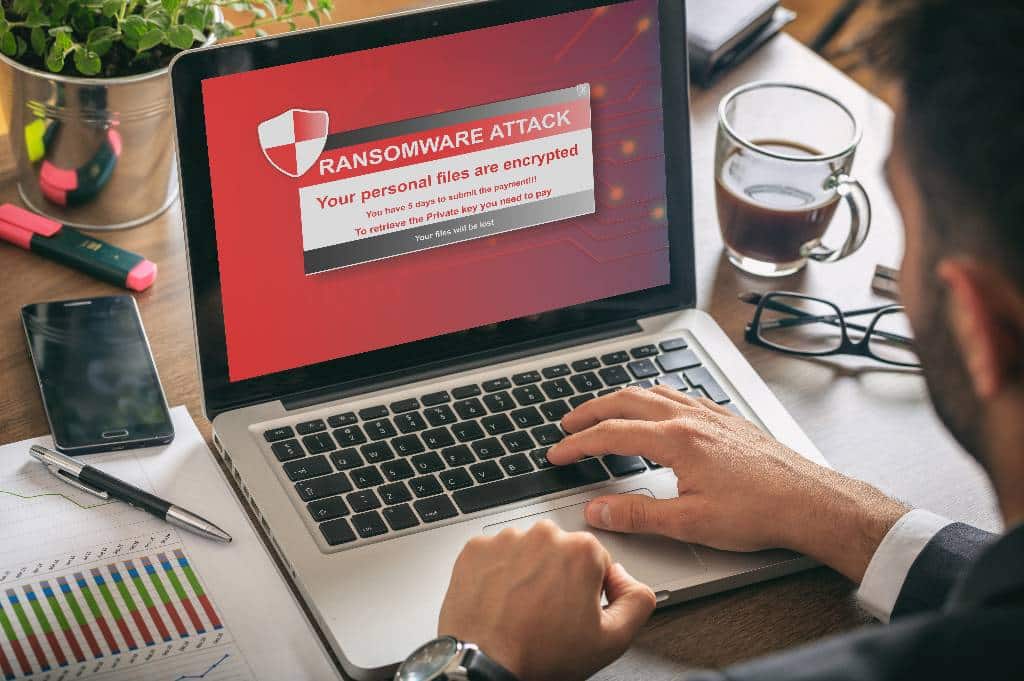
Cyber attacks don’t start with drama – they begin quietly, often through phishing emails. Once inside, attackers deploy ransomware, steal data, or disrupt systems. Recovery depends on backups, MFA, staff training, and clear incident response plans. Prevention is always cheaper than recovery, and no business is too small to be targeted.