
Supply Chain Attacks: Why Your Business Could Be Hit Through Someone Else’s Weak Link

Cybercriminals increasingly target trusted suppliers rather than businesses directly, using vendor access as a backdoor into otherwise secure systems. This blog explains how supply chain attacks work, why SMEs relying on external accountants, IT vendors and agencies are exposed, and the practical steps needed to keep third-party access under control.
Session Hijacking: How Attackers Skip Your Password Entirely
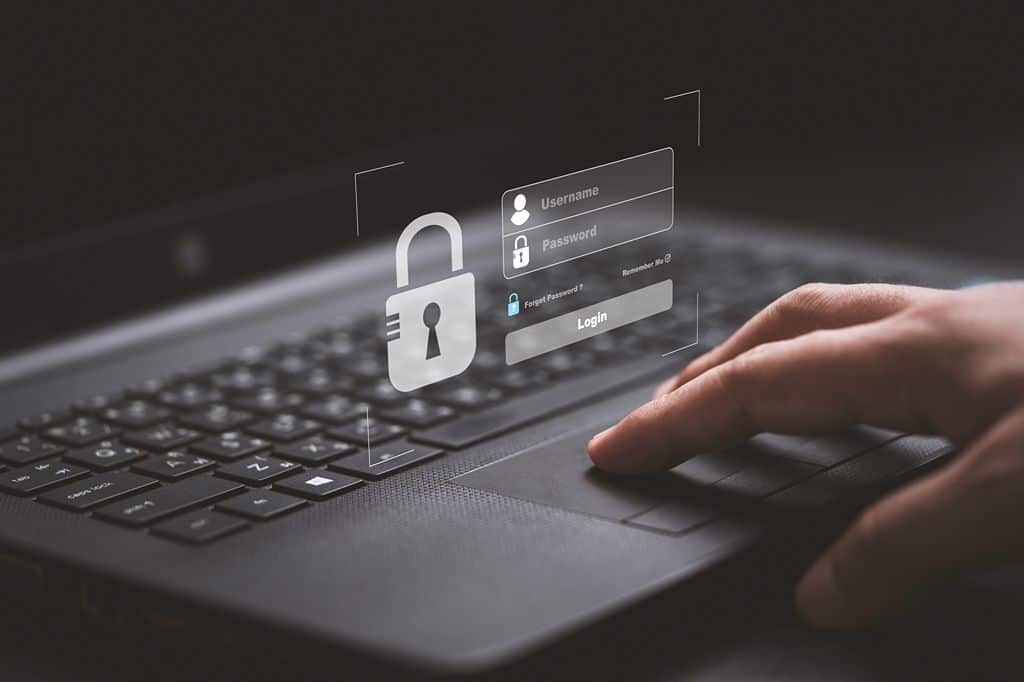
Strong passwords and MFA are essential, but session hijacking skips both entirely. By stealing the token that keeps you logged in, attackers can walk straight into your accounts. We explain how it works in plain English, why it slips past your usual defences, and the practical layers that actually help.
Wi-Fi at Work: Why Your Guest Network Could Be Your Biggest Blind Spot

Your office Wi-Fi could be your biggest security blind spot. When guest devices, smart gadgets and business systems all share one network, a single compromised device can reach everything. We explain why guest Wi-Fi and rogue devices pose real risks, and how network segmentation keeps your business safely protected.
Is Your Business Using Claude Safely? A Guide for UK SMEs

Many UK SMEs unknowingly run AI tools on consumer-tier accounts, risking GDPR gaps and long-term data exposure. This guide explains the real difference between Claude’s personal and business plans, the dangers of shadow AI, why you need a tool-agnostic AI usage policy, and how to set up Claude Team properly.
Why Cybercriminals Are Targeting SMEs Over Large Corporations

Many SME owners believe they are too small to interest cybercriminals. The reality is the opposite. Smaller businesses are now among the most frequently targeted – and the least prepared to deal with the consequences. This blog explains why the threat is real and what your business can do about it.
Why Your Business Needs an Incident Response Plan (Not Just a Cyber Policy)

Most businesses have cyber insurance and antivirus software – but very few have an incident response plan. When a cyberattack strikes, the first few hours are absolutely critical. Knowing who does what, and when, can be the difference between a swift recovery and weeks of serious disruption. Every SME needs one.
Cyber Insurance – What It Covers, What It Doesn’t & Why It’s Not a Substitute for Security

Cyber insurance is becoming standard for UK businesses – but many SMEs misunderstand what it actually covers. A poor security posture can void a claim entirely. We take a look into what cyber insurance does and doesn’t protect against, and why it should complement your security strategy, not replace it.
The Forgotten Security Risk: Printer and Scanner Vulnerabilities

Office printers and scanners are networked computers that process sensitive documents daily, yet they’re often left with default passwords and outdated firmware. These overlooked devices can provide attackers with network access, stored data, and credentials. Simple measures like password changes and firmware updates significantly reduce risk.
Mobile Device Management in the Hybrid Workplace

Hybrid working means business devices operate everywhere – from home offices to coffee shops. Mobile Device Management (MDM) provides remote security enforcement, lost device protection, and simplified software updates across scattered devices. It balances security with privacy, supports compliance, and enables IT teams to manage devices effectively regardless of location.
The Reality of “Free” IT Support from Software Vendors

“Free” vendor support sounds appealing but has significant limitations. It covers only specific products, operates during limited hours, and can’t address complex issues spanning multiple systems. Businesses relying solely on vendor support face long wait times, productivity loss and frustrated staff. Professional IT support offers comprehensive assistance understanding your entire environment.