
Lookalike Domains: How Cybercriminals Impersonate Your Brand (and Your Suppliers)

Lookalike domains let cybercriminals impersonate your brand to deceive customers, or impersonate your suppliers to redirect payments straight from your business. This blog explains how domain spoofing works, why it’s so effective, and the simple verification habits that stop convincing fake emails from costing your business money or reputation.
Supply Chain Attacks: Why Your Business Could Be Hit Through Someone Else’s Weak Link

Cybercriminals increasingly target trusted suppliers rather than businesses directly, using vendor access as a backdoor into otherwise secure systems. This blog explains how supply chain attacks work, why SMEs relying on external accountants, IT vendors and agencies are exposed, and the practical steps needed to keep third-party access under control.
What Your Business Actually Needs to Do When an Employee Leaves (The IT Offboarding Checklist)

When an employee leaves, closing off their system access often gets rushed or forgotten – leaving open accounts that pose a real security risk. This practical offboarding checklist covers what to disable, revoke and reclaim, and explains why properly managed systems make cutting off a leaver quick, complete and stress-free.
Is Your Business Using Claude Safely? A Guide for UK SMEs

Many UK SMEs unknowingly run AI tools on consumer-tier accounts, risking GDPR gaps and long-term data exposure. This guide explains the real difference between Claude’s personal and business plans, the dangers of shadow AI, why you need a tool-agnostic AI usage policy, and how to set up Claude Team properly.
Cyber Insurance – What It Covers, What It Doesn’t & Why It’s Not a Substitute for Security

Cyber insurance is becoming standard for UK businesses – but many SMEs misunderstand what it actually covers. A poor security posture can void a claim entirely. We take a look into what cyber insurance does and doesn’t protect against, and why it should complement your security strategy, not replace it.
MFA Fatigue Attacks: How Hackers Are Turning Your Security Against You
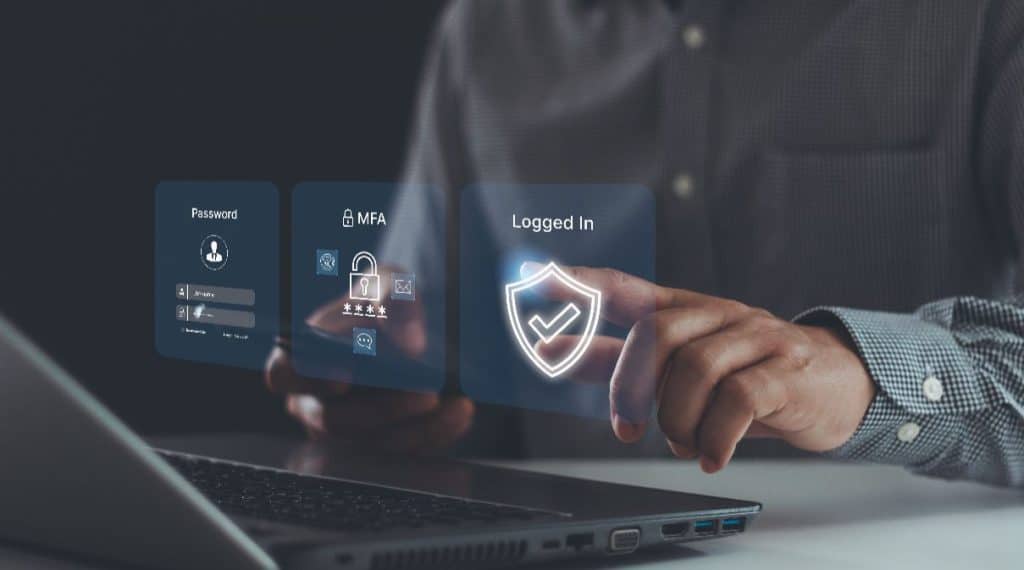
MFA fatigue attacks exploit human psychology by bombarding users with authentication requests until they approve one out of frustration. Despite MFA being essential security, attackers use credential theft combined with notification spam to bypass it. Number matching, user education, and monitoring for unusual patterns provide effective defence.
The Rising Threat of QR Code Phishing (Quishing)

QR code phishing, known as quishing, is a growing cyber threat targeting businesses. Attackers use QR codes to bypass email security filters, directing victims to malicious websites that steal credentials. With QR codes now commonplace, staff awareness and robust security measures are essential defences against this evolving attack method.
The Reality of “Free” IT Support from Software Vendors

“Free” vendor support sounds appealing but has significant limitations. It covers only specific products, operates during limited hours, and can’t address complex issues spanning multiple systems. Businesses relying solely on vendor support face long wait times, productivity loss and frustrated staff. Professional IT support offers comprehensive assistance understanding your entire environment.
How to Spot a Phishing Email Before It’s Too Late

Phishing emails are getting more convincing – and one wrong click could put your whole business at risk. In this blog, we break down how to spot the warning signs, what to do if you get caught out, and how to keep your systems and staff protected.
Why Is IT Security So Important?

With cybercrime becoming more common than ever and systems prone to suffer from faults, managing your organisation’s IT security is crucial in keeping your data safe. Here are three reasons why IT security is an essential part of IT management. What Is IT Security? IT security protects your data and keeps your systems running smoothly. […]